




















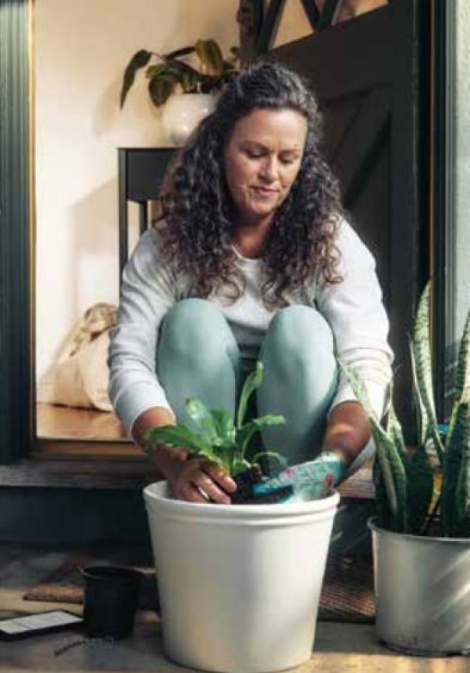
Although gardening is typically considered more of a spring or summer activity, fall and winter are excellent opportunities to add some color and freshness to your outdoor spaces. With container gardening, you can create everything from cheerful porch flower displays to miniature winter herb gardens with the flexibility to rearrange your setup as needed.
Consider these tips to create a cold-season container garden that’s ready to thrive.
Choose Hardy Plants and Flowers
Work with the cold, not against it, by looking for fall and winter plants suited to your local climate and hardiness zone. Cold-season flowers like pansies, violets and chrysanthemums can survive light frosts and give you cheerful pops of color to enjoy. Fill out the design by adding ornamental grasses or trailing evergreen foliage like ivy. If you’re hoping to grow vegetables and herbs during the fall and winter, choose tolerant varieties like kale, spinach, chives, rosemary, parsley or thyme.
Get the Right Kinds of Containers
Almost as important as the plants themselves are the pots you decide to plant them in. Look for containers large enough to accommodate growing plants, but small enough that you can move them if necessary. Proper drainage is another important factor, since soil that stays too wet during cold weather can freeze and thaw, which may damage the roots or pots. Choose sturdy materials that can stand up to changing temperatures, like thick plastic, resin or metal, and avoid more fragile materials like terracotta and ceramic.
Consider Location
Placement can determine whether your container garden thrives or struggles. When you’re deciding where to keep your containers, think about sunlight, wind protection and ease of access for watering and maintenance. A spot near a south- or west-facing wall may help keep the soil warmer and the plant more sheltered from gusty autumn and winter days.
Don’t Overwater
If you usually garden during warmer months, you might be accustomed to watering your plants frequently. However, plants generally use less water when temperatures are cool, so if you stick to a summer schedule you could wind up drowning them instead of nurturing them. Water your containers when the soil is dry enough to need it, preferably when temperatures are above freezing so it doesn’t turn to ice around the roots.
Protect Plants from Extreme Weather
A light layer of snow usually isn’t a death sentence, but even cold-resistant plants are bound to struggle during a howling blizzard or a deep freeze. Depending on what kinds of plants and containers you have, follow professional recommendations to move containers into sheltered locations or wrap the pots with insulating materials to keep the roots warmer.
Find more seasonal home and garden tips at eLivingtoday.com.